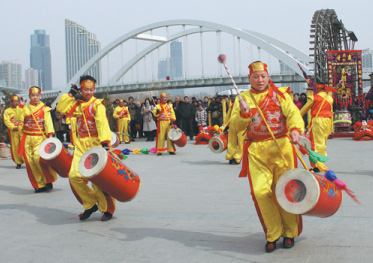
Taiping Drum Dance
Introduction
The Taiping Drum, also known as the "Single Drum" or "Sheepskin Drum", is a traditional folk dance of the Han people and musical art form prevalent in northern China. With a history stretching back to the Tang Dynasty (618-907), it reached the height of its popularity during the Ming and Qing dynasties (1368-1911). The Taiping Drum, deeply rooted in rural culture, serves as both an expressive art form and a vessel for local traditions and stories.
Historical Origins
The origins of the Taiping Drum can be traced back to before the Tang Dynasty, as archaeological findings have uncovered artifacts resembling today’s drums in Tang tombs. During the Ming and Qing dynasties, the Taiping Drum flourished across northern regions such as Gansu, Ningxia, and Shaanxi, where it was often called the "Sheepskin Drum". In Beijing, it became known as the "New Year’s Drum" due to its role in celebrating the Spring Festival. Its association with "peace" made it a symbolic feature in Qing imperial celebrations, particularly on New Year's Eve.
Performance and Cultural Significance
Traditionally performed by male dancers, the Taiping Drum is both a musical and visual spectacle. Performers hold a circular, single-sided drum made with an iron frame and covered with donkey skin. They use bamboo drumsticks to produce lively rhythms, while simultaneously dancing and singing. The lyrics often draw from folk tales and mythological themes, reflecting the rich storytelling traditions of the Han people.
In pre-modern times, Taiping Drum performances were sometimes incorporated into religious rituals, such as sacrifices and exorcisms. Today, however, the art form has evolved to celebrate communal joy and festivity, particularly during holidays and local fairs. In Beijing, children's spontaneous drumming in neighborhoods during the New Year's season further highlights its integration into regional customs and everyday life.
Artistic Features
The Taiping Drum's performances are characterized by simplicity, vigor, and improvisation, embodying the rustic charm of rural northern China. The movements are energetic yet unpretentious, exuding a strong local flavor. Unlike highly choreographed dances, Taiping Drum performances emphasize spontaneity and inclusiveness, with no strict limits on the number of participants.
Musically, the drum serves as the central instrument, accompanied by traditional Chinese instruments like the erhu, gongs, and horns. Performances also often include vocal accompaniment, where singers narrate stories or express festive sentiments, further enriching the auditory and emotional experience.
Modern Relevance
The Taiping Drum remains a vibrant part of China's intangible cultural heritage, celebrated for its historical and artistic value. Efforts have been made to preserve and promote this art form, ensuring its continuity amid modern cultural shifts. In contemporary performances, the Taiping Drum not only reflects the festive spirit of the past but also provides a window into the traditions, rituals, and community values of northern China. Its enduring popularity in festivals and cultural showcases underscores its role as a living symbol of peace and joy.








